
DIY Roof Inspection Checklist: When to Call a Professional in Pensacola


Understanding the Importance of Roof Inspections
Your roof is one of the most critical components of your home, protecting you from the elements and contributing to overall energy efficiency. Regular inspections can help identify potential issues before they become costly repairs. In this guide, we'll walk you through a DIY roof inspection checklist and highlight when it might be time to call a professional in Pensacola.
DIY Roof Inspection Checklist
1. Visual Inspection from the Ground
Before getting up close, take a walk around your property and look for any visible signs of damage. Use binoculars if necessary to check for missing or damaged shingles, sagging areas, and debris accumulation.
2. Check for Moss and Algae Growth
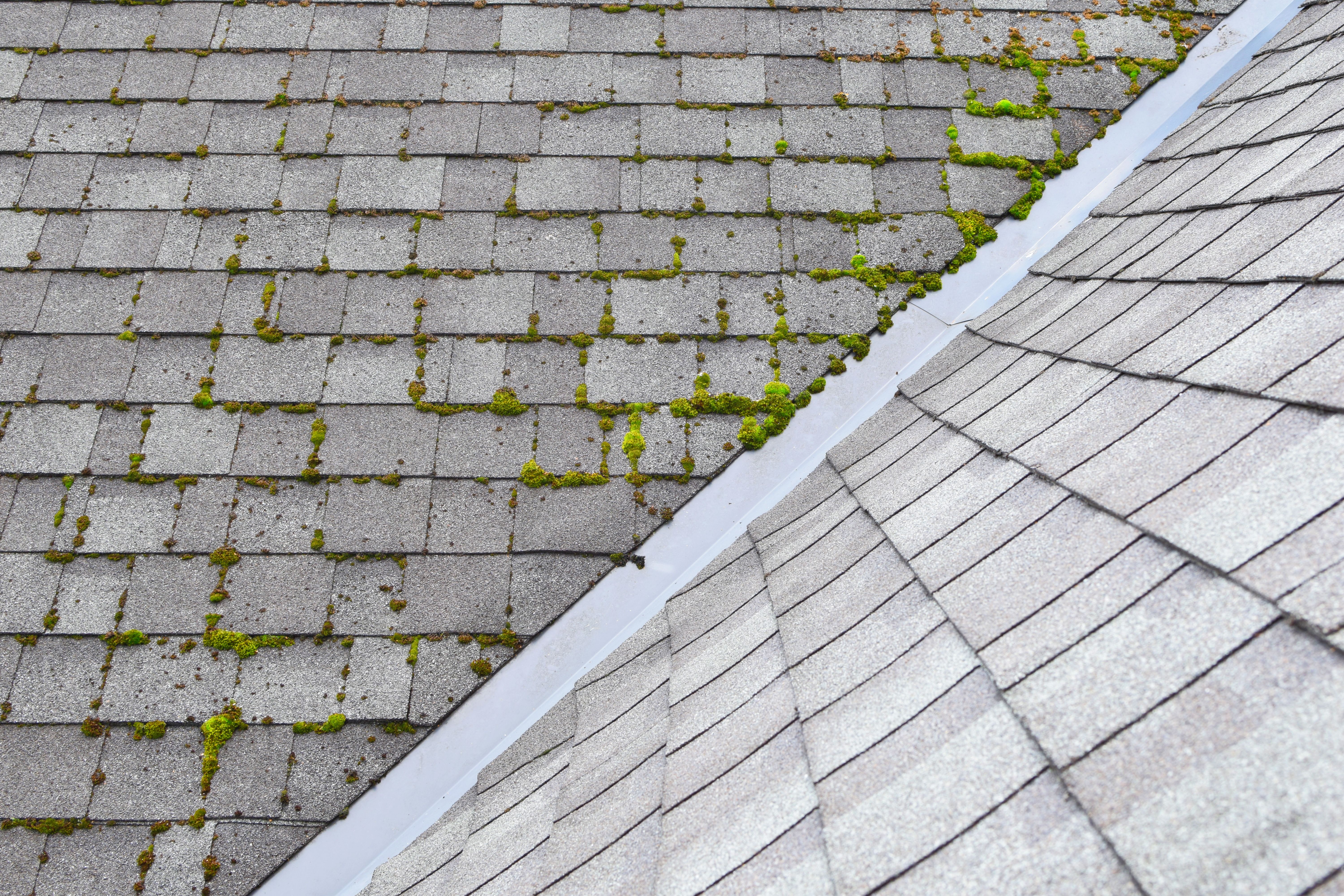
Moss and algae can damage your shingles over time. Inspect your roof for any green or dark patches that may indicate their presence. These growths can trap moisture, leading to further deterioration.
3. Inspect the Flashing
Flashing is the material used to seal areas where the roof meets vertical surfaces like chimneys and vents. Ensure that all flashing is intact and not rusted, loose, or missing, as this can lead to leaks.
When to Climb Up
4. Examine the Gutters
Check your gutters for shingle granules, leaves, and other debris. A significant amount of granules can indicate that your shingles are nearing the end of their lifespan.
5. Inspect Shingles Up Close
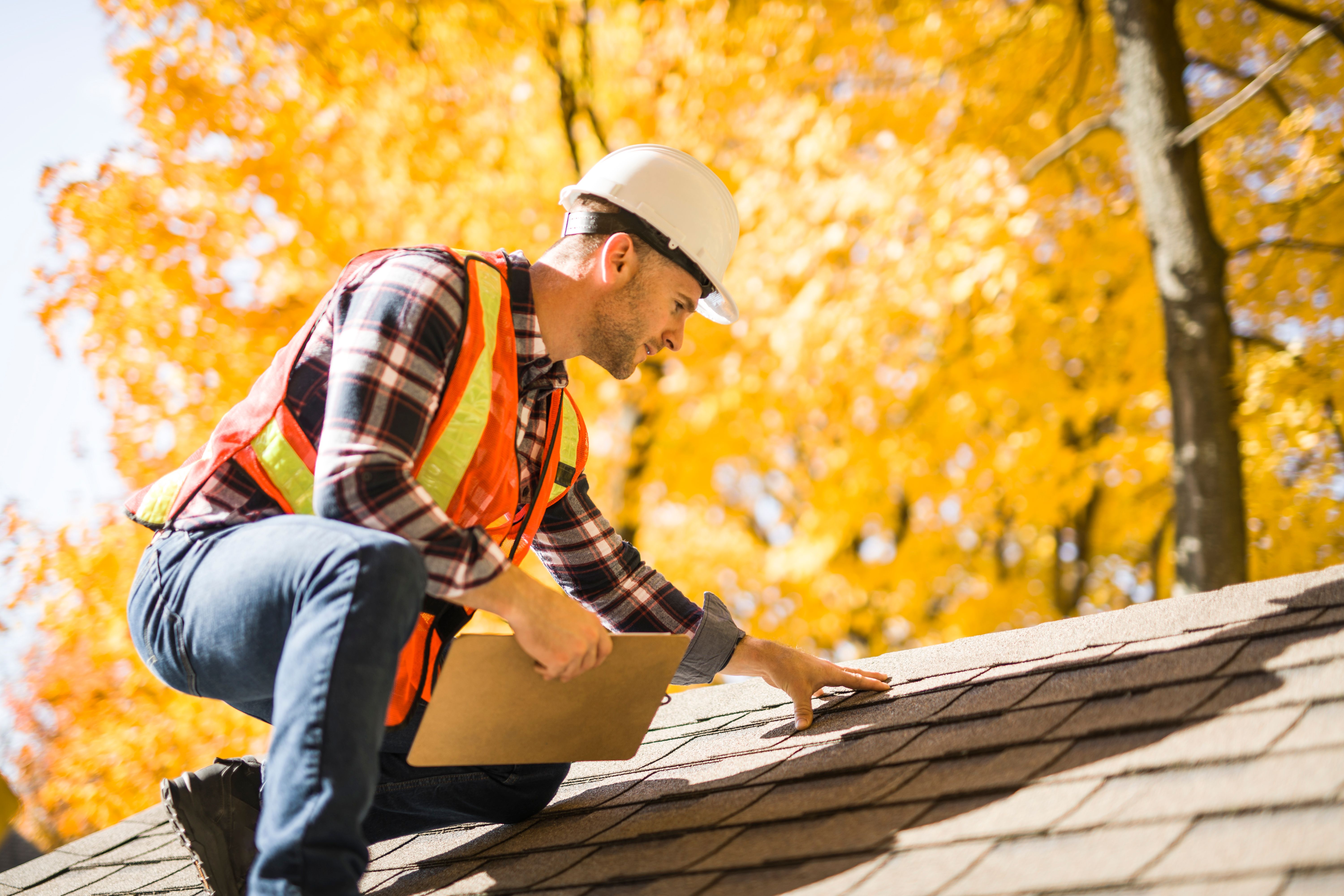
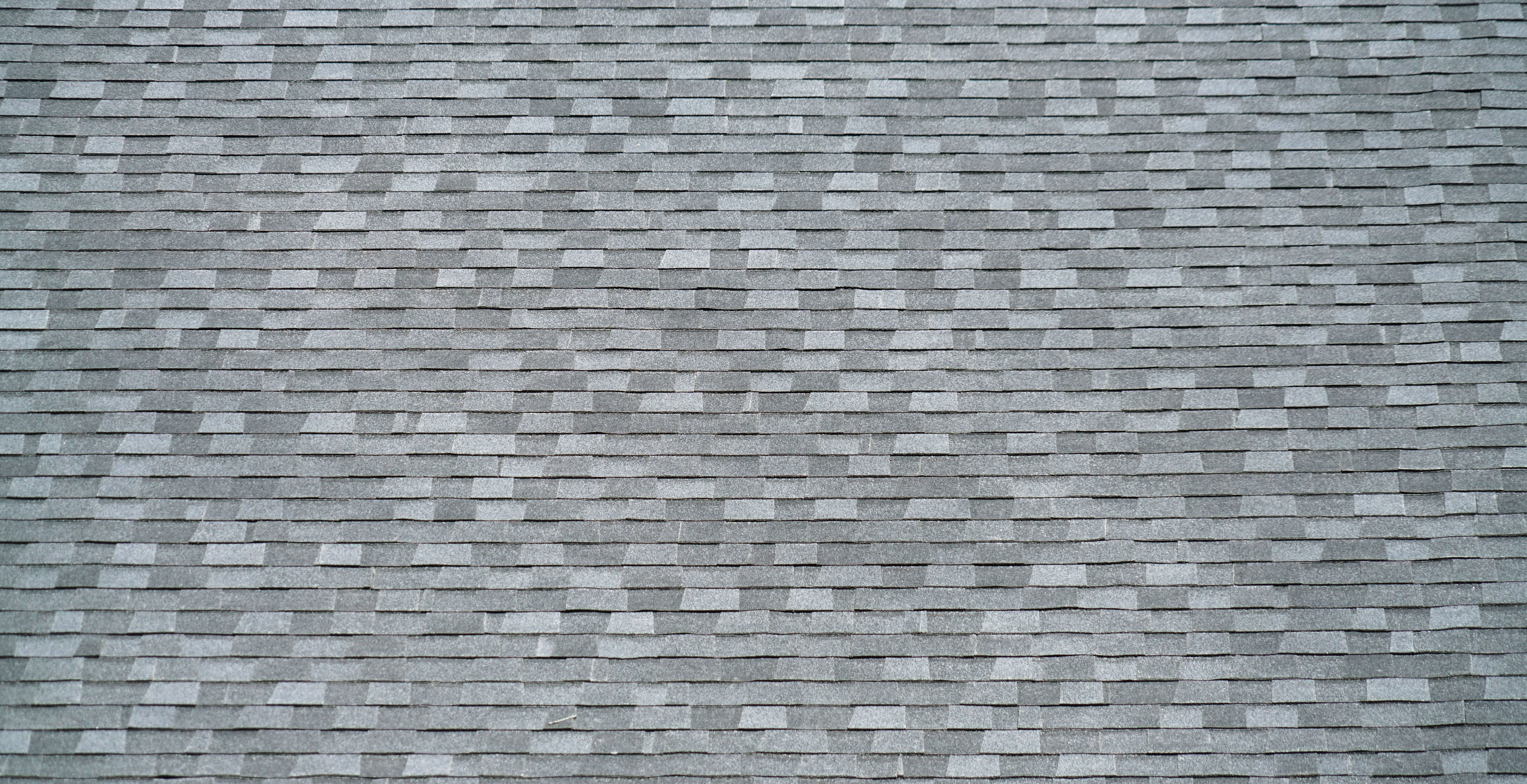
If you're comfortable and it's safe to do so, climb up to inspect the shingles more closely. Look for cracks, curling, or missing shingles. These signs often indicate the need for repair or replacement.
When to Call a Professional
6. Structural Concerns
If you notice any significant sagging or structural concerns, it's crucial to call a professional immediately. These issues can compromise the integrity of your roof and may require extensive repairs.
7. Persistent Leaks
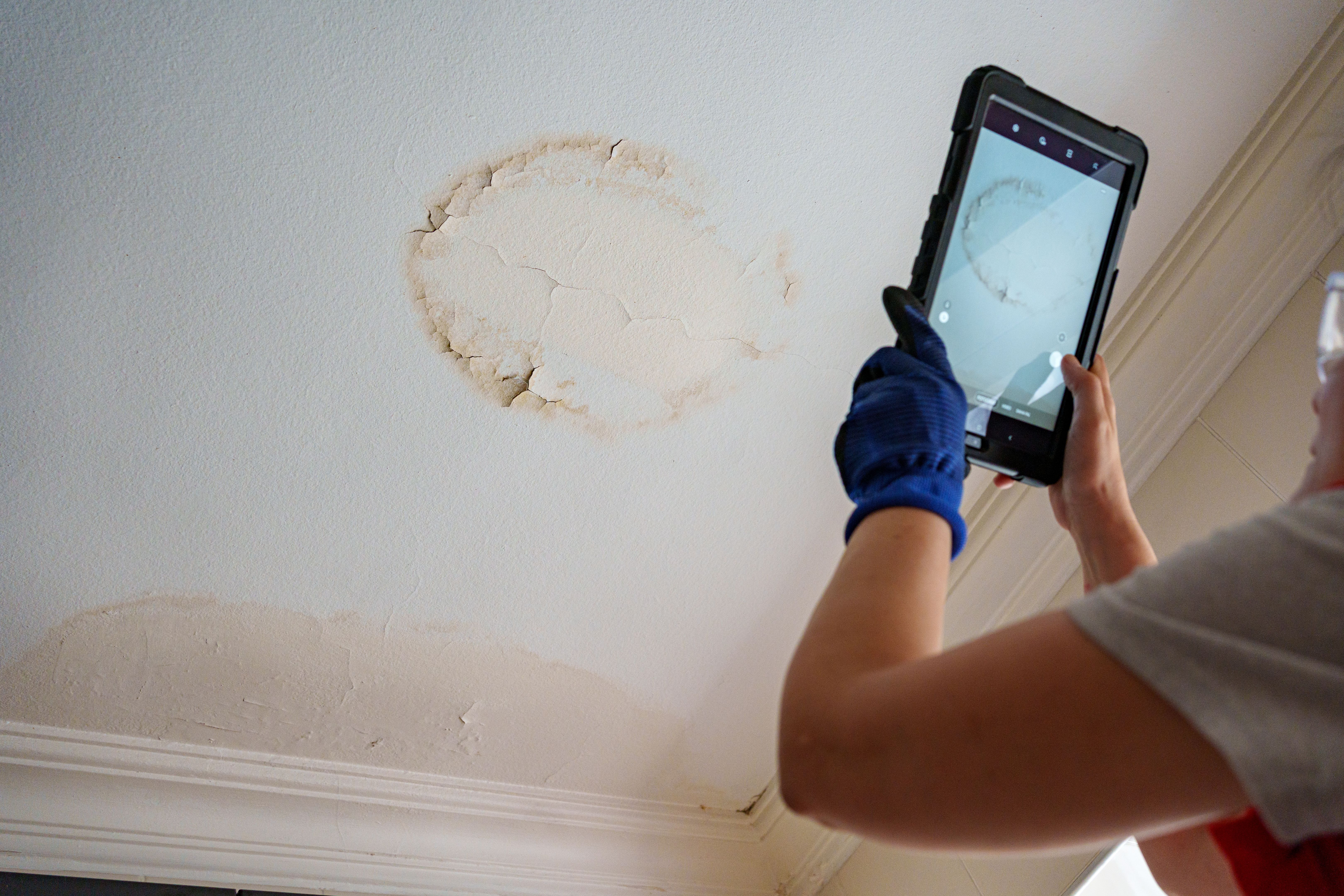
While small leaks can sometimes be patched up, persistent leaks that you've attempted to fix multiple times may need professional attention. Water damage can lead to mold and structural issues if not addressed properly.
8. Annual Professional Inspection
Even if your DIY inspection doesn't reveal any immediate concerns, it's wise to schedule an annual professional inspection. Experts can spot potential problems that may not be visible to the untrained eye.
Conclusion
Regular roof inspections are essential to maintaining the health and longevity of your home. While DIY inspections can be a great first step, knowing when to call in a professional can save you time and money in the long run. Keep this checklist handy and ensure your roof remains in top condition.