
DIY Roof Inspection: Spotting Signs of Damage After a Storm


The Importance of Regular Roof Inspections
After a storm, your roof could be hiding damage that, if left unchecked, might lead to costly repairs. Conducting a DIY roof inspection can help you spot potential issues early. Regular inspections ensure your roof remains in good condition, safeguarding your home from the elements.
Understanding the basics of a roof inspection is essential. Equipped with the right tools and knowledge, you can quickly identify signs of damage and decide when to call in the professionals.
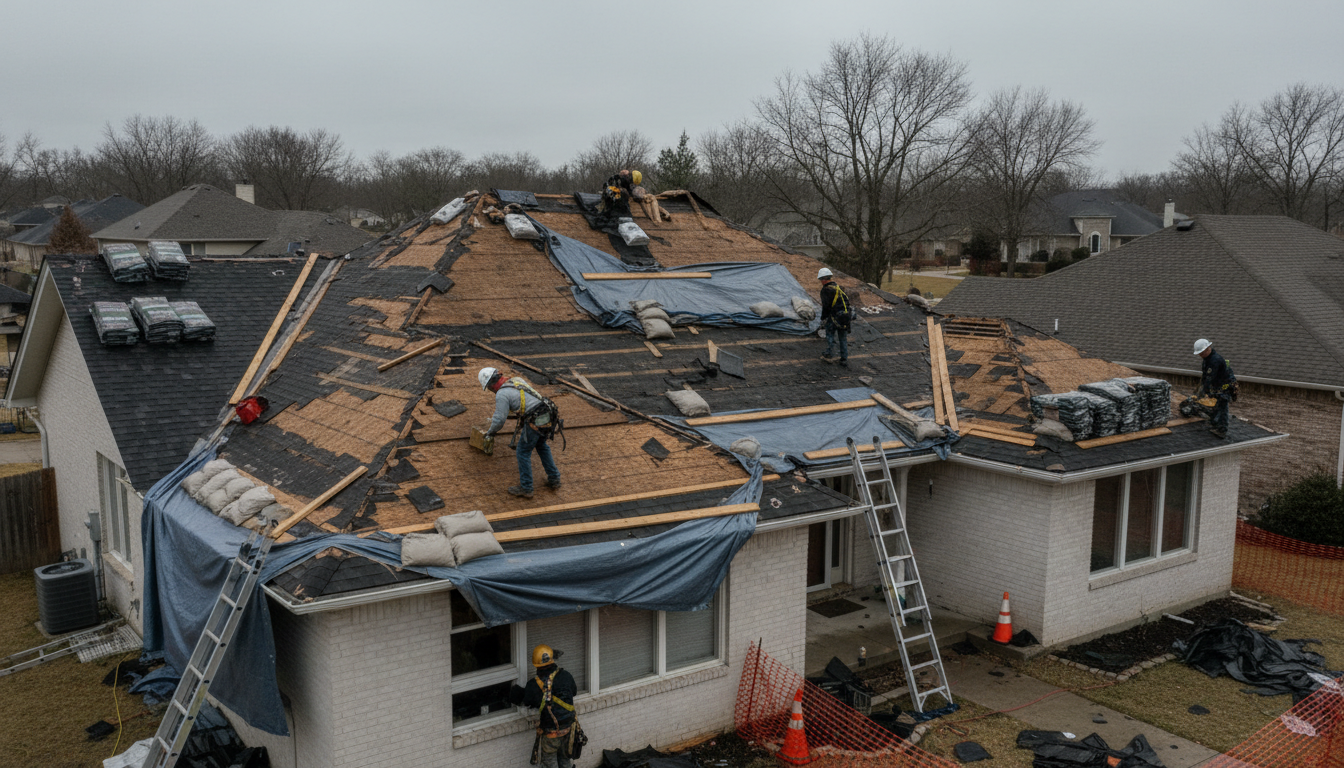
Tools You'll Need for the Inspection
Before heading up to your roof, gather the necessary tools. A good pair of binoculars, a sturdy ladder, gloves, and a notebook for jotting down observations are essential. Safety should always be your top priority, so consider having someone assist you.
It's also beneficial to have a camera or smartphone to take pictures of any potential damage. These images can help when consulting with a roofing professional later on.
Checking for Visible Damage
Start your inspection by walking around your home and examining the roof from the ground using binoculars. Look for missing or damaged shingles, as well as debris that may have accumulated. Shingles that are cracked, buckled, or missing granules are red flags.
Inspect the gutters and downspouts for granules or pieces of shingles. This can indicate wear and tear that needs attention. If you notice any sagging areas, it could be a sign of structural damage.
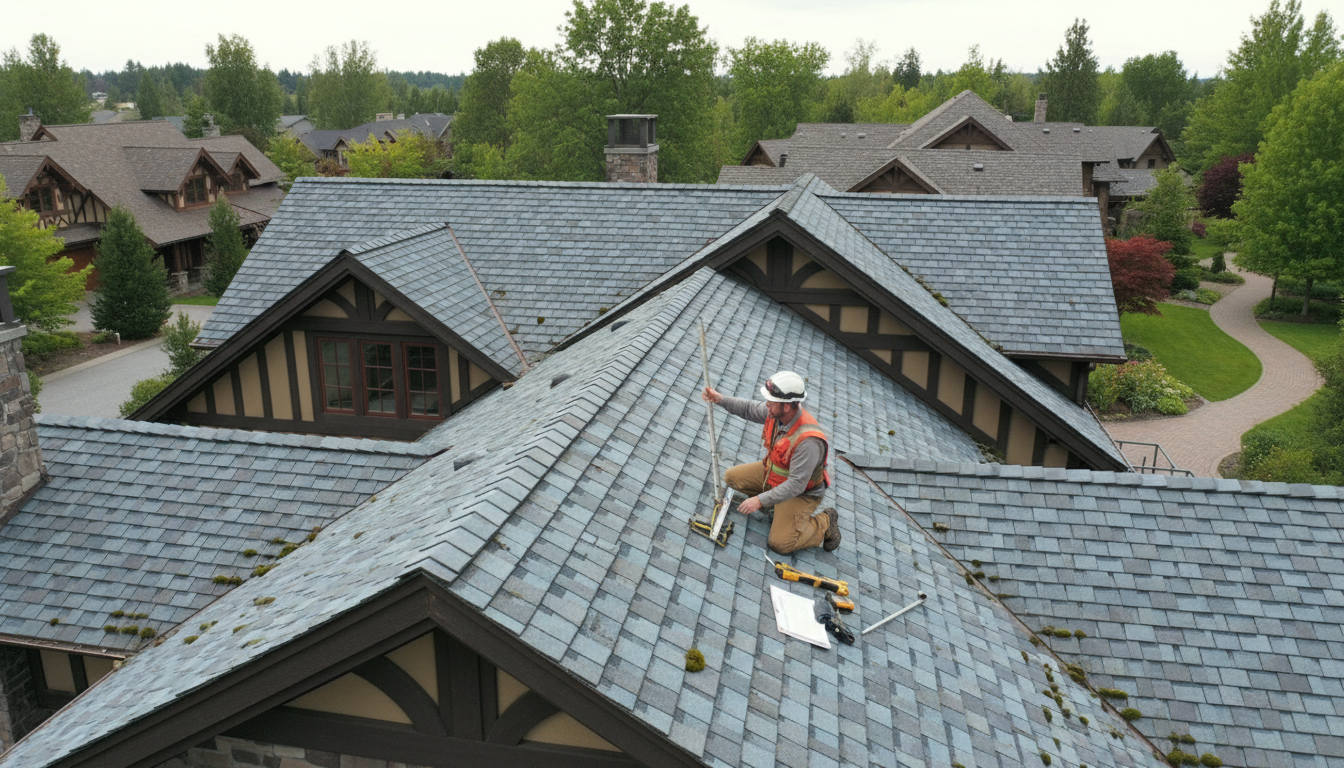
Inspecting the Roof Up Close
If you're comfortable and it's safe to do so, climb up the ladder for a closer inspection. Pay attention to the flashing around chimneys, vents, and skylights. Any signs of rust or gaps could lead to leaks.
Check for moss or algae growth, which can trap moisture against the roof and lead to deterioration. Removing these growths promptly can prevent further damage.
Evaluating the Attic
Your attic can offer clues about your roof's condition. Look for signs of leaks or water stains on the ceiling and walls. Mold or mildew growth is another indicator of moisture issues.
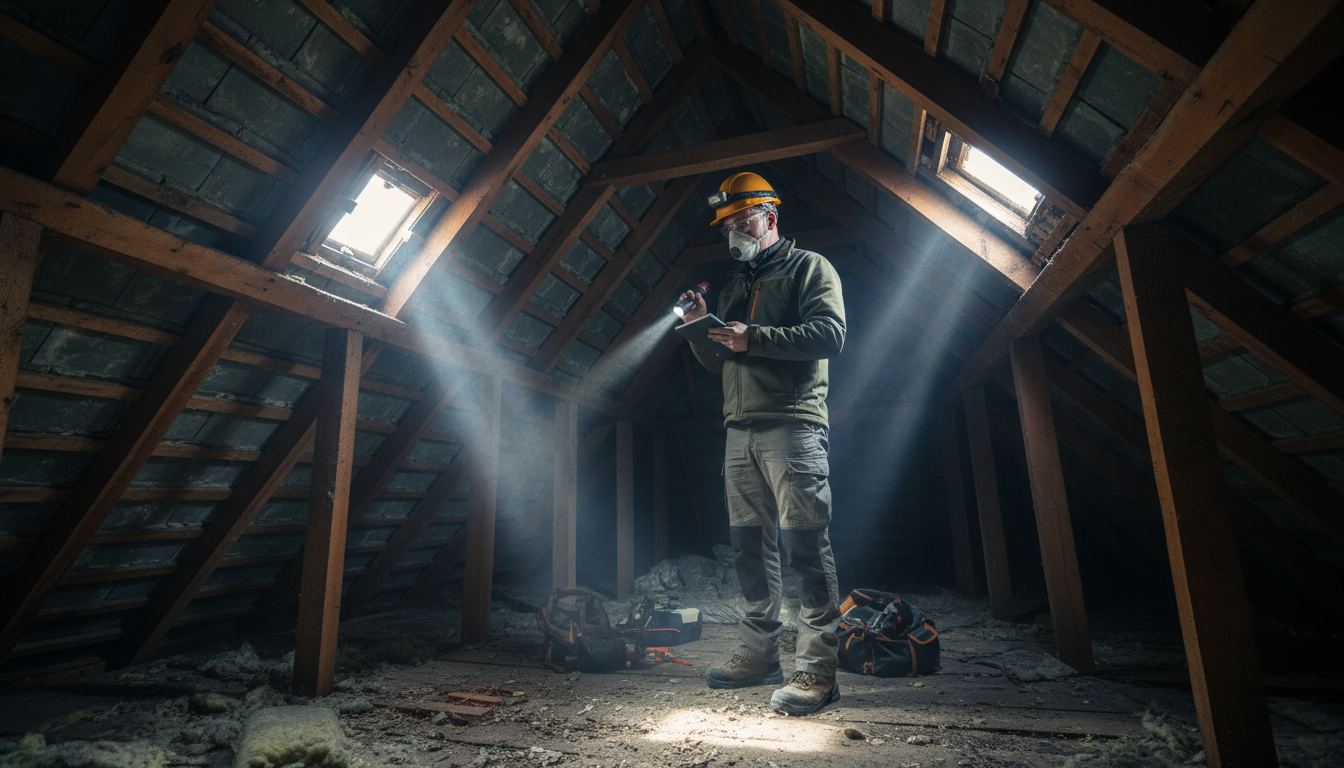
Ensure that your attic is properly ventilated. Poor ventilation can cause heat and moisture to build up, leading to damage over time. Adequate ventilation extends the life of your roof.
When to Call a Professional
While a DIY inspection can help you catch obvious issues, some damage requires a professional's expertise. If you notice extensive damage, leaks, or structural concerns, it's time to contact a roofing expert.
Regular inspections, especially after storms, are crucial in maintaining your roof's integrity. Being proactive can save you from costly repairs and ensure your home remains protected.